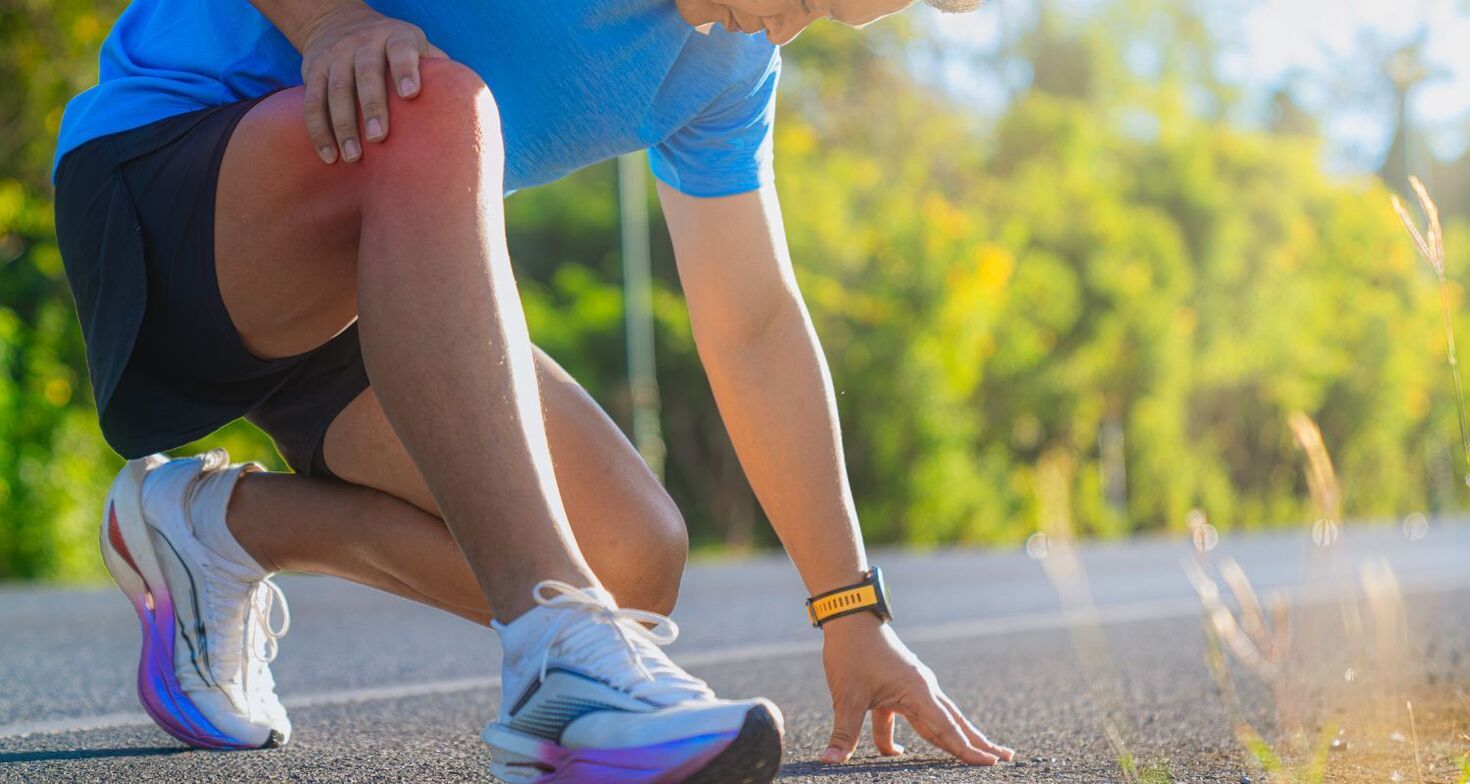
If you've been dealing with knee pain from running, you're not alone. Runner's knee is one of the most common complaints physiotherapists hear from active people across Surrey, Cloverdale, and the surrounding area. The dull ache around or behind the kneecap might start as a minor annoyance after a long run, but left unaddressed it can quickly turn into something that sidelines you for weeks.
The good news is that with the right physiotherapy approach, most people recover well and return to running stronger than before. Here's what you need to know about runner's knee, why it develops, and how targeted treatment can help.
What Is Runner's Knee?
Runner's knee is the common name for patellofemoral pain syndrome (PFPS), a condition involving irritation of the cartilage underneath the kneecap. The pain typically appears at the front of the knee and tends to flare up during activities that load the joint, including running, squatting, climbing stairs, or sitting for extended periods with the knees bent.
Despite the name, you don't have to be a runner to develop it. Cyclists, hikers, and people who are simply on their feet a lot can experience it too. That said, it's especially common among runners because of the repetitive loading the sport places on the knee with every stride.
Why Does Runner's Knee Happen?
Runner's knee rarely has a single cause. In most cases, it develops from a combination of factors that place excessive or uneven stress on the patellofemoral joint over time. Common contributors include:
- Muscle imbalances in the hips, glutes, or quadriceps that alter how the kneecap tracks during movement
- A sudden increase in training load that doesn't give the joint enough time to adapt
- Poor running mechanics, such as excessive inward knee rotation, overstriding, or collapsed arches
- Tight hip flexors or IT band that affect knee alignment under load
- Weak hip abductors that fail to stabilize the pelvis, increasing stress through the knee with each step
This is exactly why a proper assessment matters. Treating the knee in isolation often brings only temporary relief. Understanding what's actually driving the problem is what creates lasting recovery.
How Physiotherapy Treats Runner's Knee
Physiotherapy is the gold-standard treatment for patellofemoral pain syndrome, and the research consistently backs it up. At Integra Physio, your physiotherapist starts with a thorough assessment to identify the specific mechanical contributors to your pain. Treatment is then built around what your body actually needs, not a one-size-fits-all protocol.
A typical physiotherapy program for runner's knee may include:
Manual Therapy
Hands-on techniques such as joint mobilizations, soft tissue release, and patellar taping can reduce pain quickly and improve how the kneecap moves through its groove. This kind of direct intervention often makes it easier to engage meaningfully with the rehabilitation exercises that drive long-term improvement.
Targeted Exercise Rehabilitation
This is the foundation of recovery. Your physiotherapist will guide you through a progressive exercise program addressing the areas contributing to your knee pain. Strengthening the glutes and hips is particularly important, as weakness here is one of the most consistent drivers of knee pain in runners. Quadriceps control, hamstring flexibility, and single-leg stability are also commonly part of the program.
You'll move through a structured progression, starting with controlled low-load movements and building gradually toward the demands of running.
Running Gait Analysis
For runners, a detailed look at movement patterns can reveal a great deal. Small adjustments to cadence, foot strike, trunk lean, or arm swing can meaningfully reduce load through the patellofemoral joint. These changes don't require overhauling everything at once, but one or two targeted corrections often produce noticeable results.
Return-to-Running Planning
One of the most valuable things physiotherapy provides is a clear, realistic plan for getting back to running without re-aggravating the knee. Knowing when to rest, when to push, and how to progress your training is often the piece that breaks the cycle of flare-ups that many runners experience.
What to Expect During Recovery
Recovery timelines vary depending on how long the problem has been present and how consistently you engage with your rehab program. For many people, significant improvement happens within six to eight weeks of consistent physiotherapy. More long-standing cases may take longer, but the trajectory is almost always positive with the right treatment.
During the early stages, your physiotherapist may recommend modifying or temporarily reducing your running load. This isn't about stopping altogether. It's about giving the joint enough relief to begin healing while you build the strength and movement quality needed to run without pain returning.
Many runners who work through their rehab at Integra Physio find that the habits and exercises they develop become a regular part of their training routine, helping them stay healthy long after treatment ends.
When Should You See a Physiotherapist?
If knee pain from running persists for more than two weeks, or if it's starting to affect how you move, sleep, or train, it's worth getting assessed. Waiting typically means the problem becomes more entrenched and takes longer to resolve.
You should also seek care if:
- Knee pain shows up during everyday activities, not just running
- Swelling or warmth is present around the joint
- The pain came on suddenly after a fall or collision
- You've tried rest but the pain returns as soon as training resumes
Early intervention almost always leads to faster recovery and a smoother return to full training.
Keeping Runner's Knee From Coming Back
Once you've worked through runner's knee, a few habits go a long way toward keeping it from returning. Consistently strengthening your hips and glutes is probably the single most impactful thing you can do. A gradual approach to building mileage, typically no more than a 10% weekly increase, reduces your risk significantly. Addressing footwear issues, incorporating regular mobility work, and responding to early warning signs rather than pushing through pain all contribute to staying healthy over the long term.
Your physiotherapist can help you build these habits into your training in a way that fits your goals and lifestyle.
Ready to Run Without Knee Pain?
Runner's knee responds well to treatment, but the approach matters. A generic program won't account for your specific movement patterns, strength deficits, or training history. That's the difference personalized care makes.
If you're dealing with knee pain and want a clear path back to running, the team at Integra Physio offers physiotherapy in Surrey tailored to active people who want to move well and stay that way. With locations in Surrey and Ladysmith, we're here to help you get back to doing what you love.
Book your appointment today and take the first step toward pain-free running.

.jpg)
