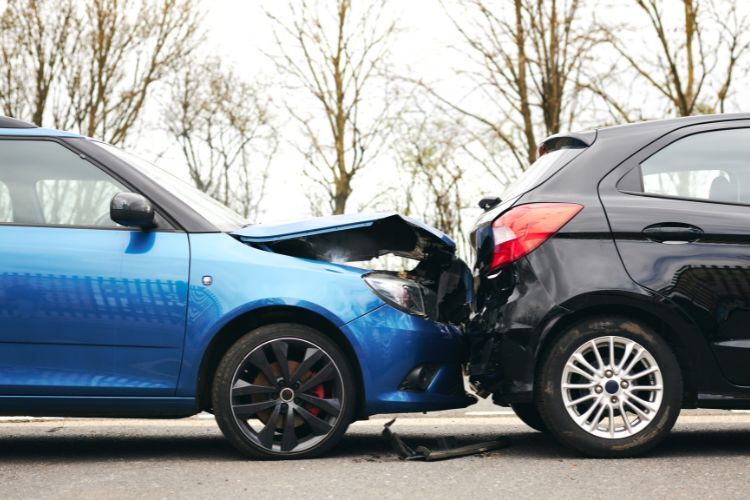
A car accident can leave your body dealing with more than just the shock of the moment. Whiplash, muscle strain, and soft tissue injuries often show up hours or even days after the collision, and they can linger for weeks if they are not treated properly. Massage therapy after a car accident is one of the most effective ways to ease that pain, restore movement, and get your body back on track. For drivers and passengers in Surrey and Cloverdale, registered massage therapy is also frequently covered as part of an ICBC claim, which makes it an accessible first step toward recovery.
If you were recently in a motor vehicle accident, you are probably wondering what recovery should actually look like. This post walks through how massage therapy supports healing after a car accident, which injuries respond best to treatment, and what to expect from your first appointment.
Why the Body Reacts the Way It Does After a Crash
Even a low-speed collision creates sudden, forceful movement through the neck, shoulders, and spine. Muscles and ligaments that were not braced for that motion can tear on a microscopic level, which leads to inflammation, stiffness, and pain. This is why so many people feel fine right after an accident but wake up the next morning barely able to turn their head.
According to the Mayo Clinic, whiplash symptoms often do not peak until 24 hours after the injury occurs, and can include neck pain, stiffness, headaches, and reduced range of motion. Left untreated, these symptoms can become chronic. That delay is exactly why an early assessment matters, even if you think you only have minor soreness.
Common Auto Accident Injuries That Respond Well to Massage
Registered massage therapy addresses a wide range of injuries that are typical after a collision, including:
- Whiplash and neck strain
- Shoulder and upper back tightness from bracing on impact
- Lower back pain from the jolt of the crash
- Headaches and jaw tension related to whiplash
- General muscle guarding and stiffness from the body's stress response
Each of these responds differently to hands-on treatment, which is why a one-size-fits-all massage is not the goal. A registered massage therapist (RMT) assesses your specific injury pattern and adjusts pressure, technique, and focus areas session to session.
How Massage Therapy Supports the Healing Process
Massage therapy for auto accident recovery works on more than just comfort. It plays an active role in the healing process itself.
It improves blood flow to injured tissue. Increased circulation helps deliver oxygen and nutrients to strained muscles and ligaments, which supports faster tissue repair.
It reduces the buildup of scar tissue. When soft tissue heals without treatment, it can form adhesions that limit flexibility down the road. Manual therapy techniques help tissue heal in a way that preserves range of motion.
It calms the nervous system's stress response. After a car accident, muscles often stay tense long after the danger has passed. This protective guarding can create secondary pain that has little to do with the original injury. Massage therapy helps interrupt that cycle.
It restores mobility gradually and safely. Rather than pushing through pain, an RMT works with your body's current limits and helps you regain movement at a pace that will not aggravate the injury.
A 2014 review published by the National Center for Biotechnology Information found that manual therapy interventions, including massage, showed measurable benefit for whiplash-associated disorders when introduced as part of a broader treatment plan. This lines up with what many clinics see clinically: patients who begin treatment early tend to recover more fully than those who wait.
Massage Therapy and Your ICBC Claim in Surrey
If you were injured in a motor vehicle accident in British Columbia, you may be eligible for ICBC-covered massage therapy treatment. This is one of the most practical benefits available to accident victims, since it removes a major barrier to getting care right away.
At Integra Physio, our Cloverdale-based RMT have experience working directly with ICBC claims. We can help you understand what your coverage includes and get your first assessment booked quickly, which matters because early treatment is strongly linked to better long-term outcomes. Waiting weeks to book an appointment gives muscle guarding and scar tissue more time to set in, so we encourage anyone in Surrey who has been in a recent collision to start the process as soon as they are able.
What to Expect at Your First Appointment
Your first visit is not just a massage. It starts with a conversation about how the accident happened, what symptoms you are experiencing, and where your pain is concentrated. Your RMT will also ask about your daily activities, since work, sleep position, and stress levels all affect how your body holds tension after an injury.
From there, your therapist builds a treatment plan suited to your specific injuries. Some clients feel noticeable relief after their very first session, while others with more complex whiplash or soft tissue injuries benefit from a series of visits spaced out over several weeks. Your RMT will walk you through a recommended schedule based on what they find during your assessment.
Why a Multidisciplinary Approach Matters
Car accident injuries do not always respond to a single type of treatment. Many patients recover faster when massage therapy is paired with other services, such as physiotherapy or active rehabilitation, especially when the injury involves both soft tissue damage and joint or postural issues.
This is where working with a multidisciplinary clinic makes a real difference. At Integra Physio in Surrey, our registered massage therapists coordinate care with our physiotherapists and physio-led active rehabilitation team so your recovery plan addresses the full picture rather than just one symptom. If your injury calls for a broader approach, your RMT can loop in the right specialist without you having to start over at a new clinic.
How Soon Should You Book an Appointment?
A common question after a crash is whether to wait and see if symptoms improve on their own before booking a massage. In most cases, the answer is no. Soft tissue injuries respond best when treatment starts within the first few days, before muscles have a chance to lock into a pattern of guarding and compensation.
Even if your pain feels manageable at first, it is worth getting assessed. Some of the most common whiplash symptoms, including headaches and reduced neck rotation, do not fully surface until the day after the accident. Booking early gives your RMT the chance to catch these issues before they become harder to treat, and it also puts your ICBC claim on the right timeline from the start.
Questions Clients Often Ask
Do I need a doctor's referral to book massage therapy after an accident?
No referral is required. You can book directly with an RMT at Integra Physio, and our team will walk you through the ICBC claim process at your first visit if that applies to you.
Will one session be enough?
It depends on the severity of your injury. Some clients notice relief after one or two visits, while more significant whiplash or soft tissue injuries typically call for a series of sessions over several weeks.
Can massage therapy be combined with physiotherapy for a car accident injury?
Yes, and for many patients it should be. Combining the two often leads to a faster, more complete recovery than either treatment alone.
Start Your Recovery Sooner Rather Than Later
The period right after a car accident is when treatment decisions matter most. Massage therapy helps reduce pain, restore mobility, and support the body's natural healing process, and for many patients in Surrey, it is covered through an ICBC claim from the very first visit.
If you were recently in a motor vehicle accident and are dealing with neck pain, stiffness, or lingering soreness, do not wait for symptoms to worsen. Book an assessment with the registered massage therapy team at Integra Physio in Cloverdale and take the first step toward feeling like yourself again.

.jpg)
